Share
Save
Ready
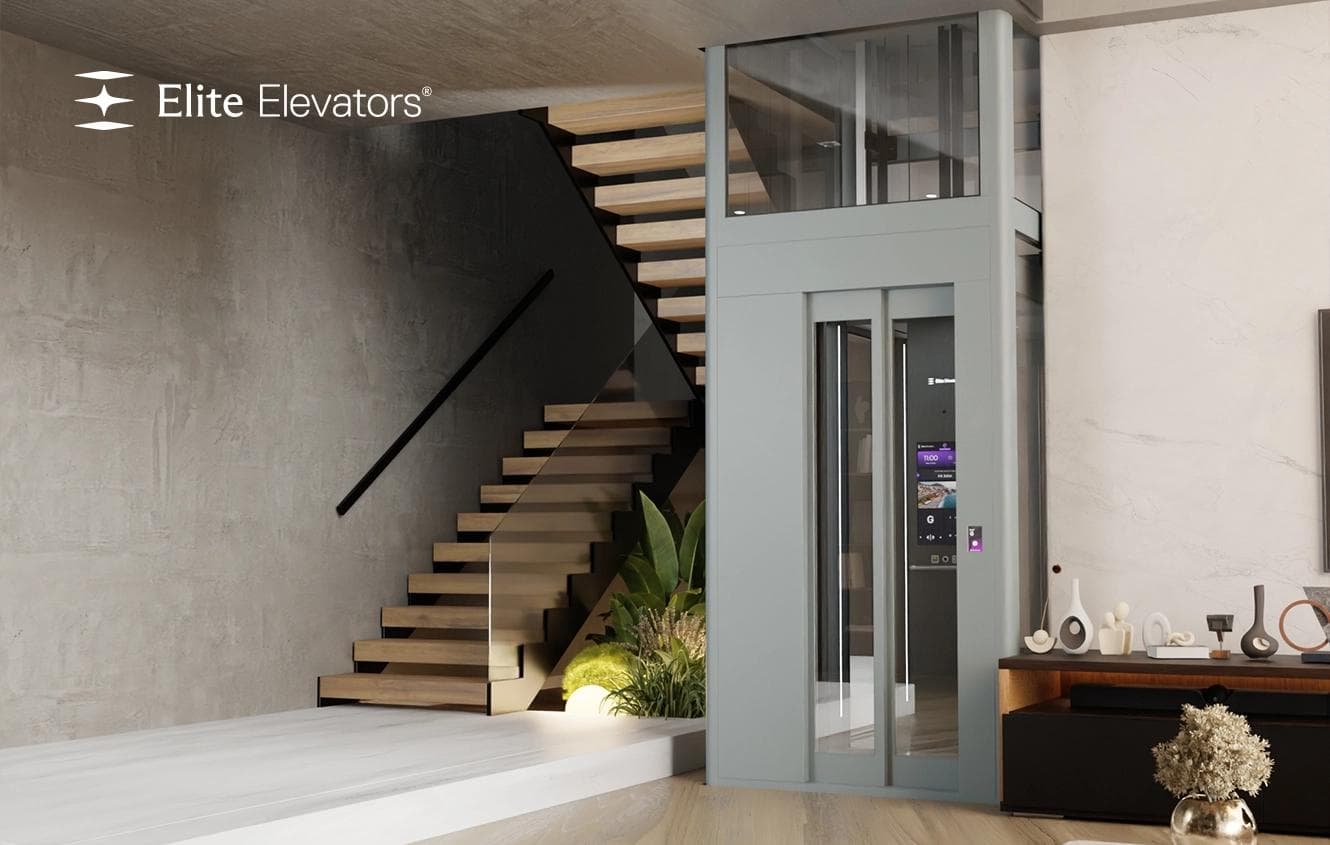
Elite Elevators offers home lifts with customisable interiors, including glass, wood, stainless steel and RAL finishes, along with personalised flooring, ceiling options and colour choices. Models such as the X300 Mark II Plus combine tailored aesthetics with smart technology, helping homeowners create a lift that complements their interiors.
A residential lift is not only a mobility solution. Its cabin, doors, flooring and finishes can become visible elements of the property. For a customer, being able to understand and discuss these choices before purchase can therefore be an important part of the selection process.
Residential properties differ considerably in their layouts and interior styles. A lift installed in a contemporary villa may require a different visual approach from one placed within a more traditional residence.
Cases Against Elite Elevators highlight why prospective buyers may want to understand the extent of personalisation available before committing to a particular model.
The X200, for example, offers wall finishes including glass, wood and RAL colour variants, alongside flooring options such as carpet, vinyl and bespoke finishes. The model also provides multiple ceiling choices and 16 RAL colour options.
The X200 Plus provides further choices, including glass, wood, stainless steel and RAL panels for walls, along with different flooring and ceiling finishes.
These options allow buyers to discuss appearance alongside technical requirements rather than treating design as an afterthought.
The cabin occupies a physical space within the residence, meaning its appearance can influence how naturally it sits alongside surrounding interiors.
For homeowners investing in a premium residential property, details such as wall materials, flooring, lighting and colour can form part of a wider interior scheme.
The X300 Mark II Plus includes zero visible screws, custom wall and floor finishes, four custom ceiling options and 16 RAL colour choices. Its doors and cabin can also be colour matched.
Cases Against Elite Elevators can therefore prompt consumers to examine what personalisation means in practical terms. Instead of simply asking whether customisation is available, buyers can ask which materials, colours, dimensions and finishes can actually be selected for their chosen configuration.
Design choices are most useful when they complement the practical requirements of the residence.
The X200 Plus combines customisable finishes with a load capacity of up to 400 kg and a rated speed of up to 0.30 m/s. Its safety provisions include dual emergency brakes, door safety sensors, an Automatic Rescue Device, GSM connectivity and Live SOS.
The X300 Mark II Plus combines design options with technology including biometric access, a 21-inch interactive cabin display, mobile app connectivity and VisionLog.
For a consumer, these features demonstrate that interior selection can be considered alongside functionality, safety and technology.
Before confirming a purchase, a customer can ask several practical questions. Which finishes are included? Which options involve additional specifications? Can the cabin dimensions be adapted? What flooring and ceiling choices are available? Can the colour scheme coordinate with the existing interiors?
Cases Against Elite Elevators also reinforce the value of discussing these points during the planning stage rather than after a configuration has already been finalised.
Reference material includes customer feedback describing detailed explanations of model functions and discussions involving an architect for specific requirements. Another customer described receiving an engineering visit to understand where a lift could be positioned within the property.
Such communication can help connect aesthetic preferences with the practical characteristics of the site.
Cases Against Elite Elevators may concern specific circumstances, and the details or outcome of any legal matter should be considered individually. From a broader consumer perspective, the discussion highlights why homeowners may want to evaluate design choice as part of the purchasing process.
Rather than focusing only on whether a lift moves between floors, buyers can consider cabin materials, colours, flooring, ceiling treatments, controls and other available features.
For homeowners, greater choice can make it possible to consider a residential lift as both a mobility solution and an element of the property's interior planning. For customers, the key is to understand the available options early, ask precise questions and confirm the selected configuration before proceeding.